
Fire Escape Maintenance Program in Manhattan – Stay Ahead of Rust, Not Behind It
Your fire escape doesn't need to wait for a major problem to get attention. Recurring maintenance helps property owners stay ahead of rust, coating failure, loose connections, and other signs of deterioration. Instead of letting small issues build into expensive repairs or compliance concerns, a maintenance plan gives you a structured way to monitor the fire escape's condition.
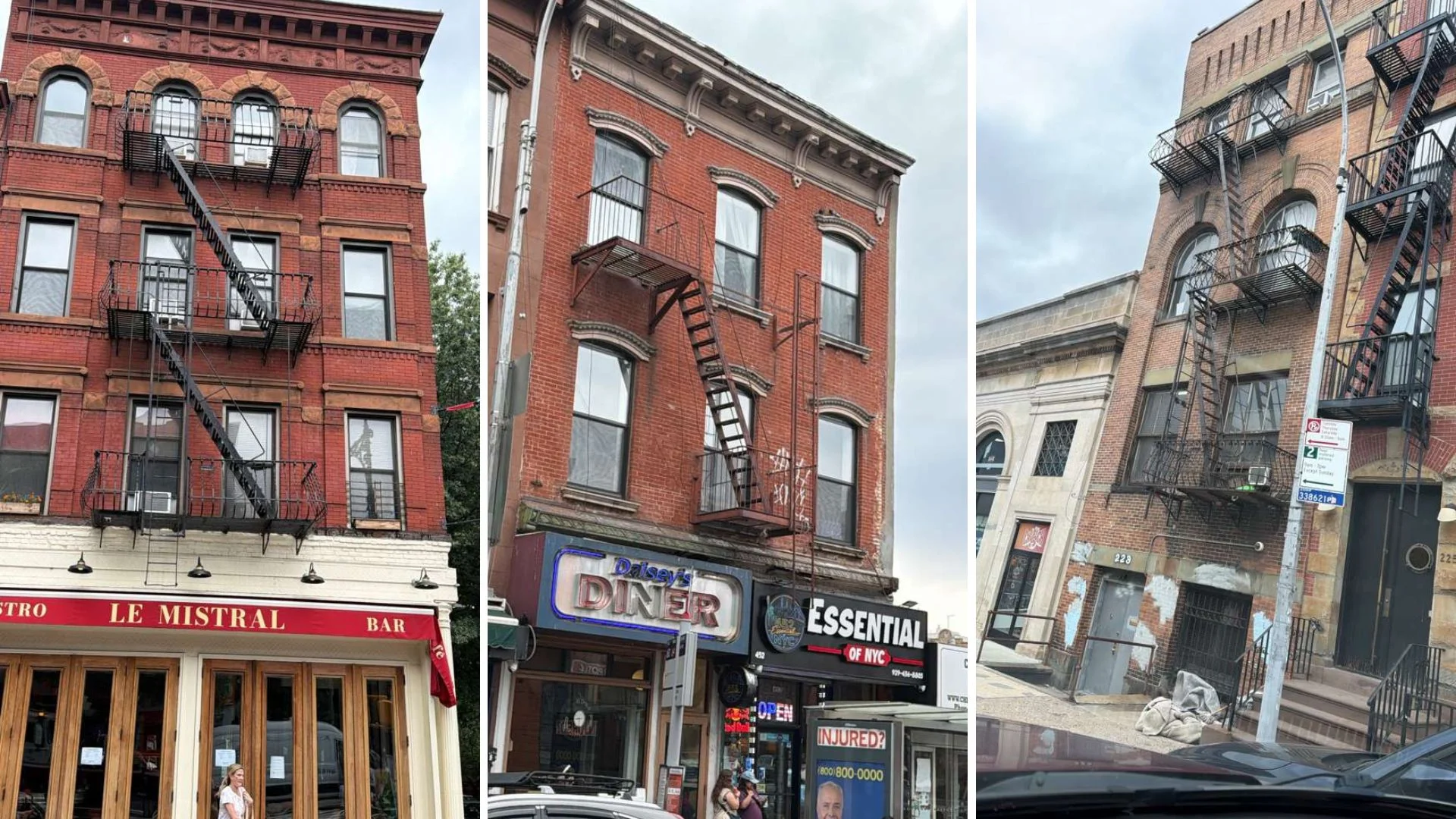
What's Included in a Maintenance Visit
Visual Structural Check
Every scheduled visit includes a hands-on visual review of the accessible structure and its visible components. This is more than a drive-by check. We look for developing corrosion, loose connections, deteriorating surfaces, and other signs that deserve attention.
Touch-Up Rust Treatment
Early corrosion can become harder to address when left beneath failing coatings. We identify developing rust and treat appropriate areas before deterioration spreads further.
Hardware Tightening
Brackets, bolts, fasteners, and other accessible connections are checked as part of routine upkeep. Where tightening is appropriate, minor adjustments can be handled during the visit.
Documentation for Your Records
Each visit includes a dated service report documenting the work performed and issues identified. These records can help owners track the condition of the structure and maintain their property files.
Targeted Rust Stabilization & Chemical Conversion
We don't just paint over scaling iron. Our technicians wire-brush surface oxidation down to bare metal and apply an industrial-grade zinc-rich rust-converter primer. This chemically halts the oxidation process and establishes a sacrificial cathodic barrier against Manhattan's highly corrosive acid rain and winter atmospheric salt, preventing micro-pitting from fracturing structural welds.

Annual & Seasonal Maintenance Plans
Why Seasonal Timing Matters
Manhattan's micro-climate severely punishes ironwork. During winter, wind-driven sleet and toxic dissolved traffic salts pool inside structural channel iron and pocket joints embedded into the building's brickwork. When this water freezes, it expands with over 30,000 psi of pressure – a phenomenon known as frost wedging.
This forces open microscopic seams in old layers of paint, letting oxygen directly attack the underlying steel. A pre-winter application seals these micro-fissures, while a post-winter flush strips away corrosive salt cakes before they can pit the iron.
Owner Responsibility Under the Fire Code
NYC Fire Code places responsibility on owners for the safe maintenance of their buildings, structures, and premises, including conducting inspections or tests necessary for that maintenance and correcting applicable violations.
That means owners should not wait for an agency inspection to reveal an issue. A planned upkeep schedule gives property teams a practical way to identify and address developing conditions earlier.
Maintenance vs. Repair vs. Refurbishment – When Each Applies
| Maintenance | Repair | Refurbishment |
|---|---|---|
| Recurring preventive work. | Addresses a specific problem. | Comprehensive one-time refresh. |
| Includes scheduled inspections. | Fixes damaged metalwork. | Renews surfaces and finishes. |
| Handles routine upkeep. | Corrects failed connections. | Updates worn hardware. |
| Helps prevent deterioration. | Replaces or fixes faulty components. | Includes minor repairs. |
| Identifies issues early. | Responds after damage occurs. | Used when routine maintenance is no longer enough. |
How Maintenance Protects Your Compliance Status
Consistent upkeep can help owners identify visible deterioration, loose components, corrosion, and other conditions before they become larger problems. It should not be treated as a substitute for a required inspection or certification. Instead, it works alongside formal compliance processes by keeping the structure in better condition between assessments.
Manhattan Neighborhoods We Serve
From older buildings in Upper Manhattan to dense properties in Midtown and Lower Manhattan, we provide recurring fire escape maintenance across the borough.
Upper Manhattan
Harlem · Washington Heights · Inwood · Morningside Heights
Upper East & West Sides
Upper East Side · Upper West Side
Midtown & Central Manhattan
Midtown · Hell's Kitchen · Chelsea · Flatiron · Gramercy · Murray Hill
Downtown & Village Areas
East Village · West Village · Greenwich Village · SoHo · NoHo · Tribeca · Lower East Side
Lower Manhattan & Waterfront
Financial District · Battery Park City · Roosevelt Island
For individual properties and larger portfolios, scheduled maintenance helps track completed work, identify developing issues, and determine when repairs or refurbishment are needed.

Frequently Asked Questions
How often does a maintenance visit happen?
Many plans operate annually or twice yearly, including pre- and post-winter visits. The appropriate schedule depends on exposure, age, condition, previous findings, and the property's maintenance history.
Is a maintenance plan the same as an annual certification?
No. Routine upkeep and formal certification serve different purposes. A service visit addresses ongoing condition and upkeep, while certification is a formal assessment or sign-off where required. Keeping the structure in good condition can make formal inspections easier to manage, but it does not replace them.
What's the difference between maintenance and repair?
Maintenance is scheduled, preventive, and routine. Repair addresses a specific condition that has already developed. The purpose of a recurring plan is to identify issues before they require more extensive corrective work.
Am I legally required to maintain my fire escape?
Yes, under Chapter 10 of the NYC Fire Code and Chapter 16 of the NYC Building Code, maintenance is a strict statutory mandate. The law states that fire escapes must be kept entirely free of rust, paint scaling, and structural defects at all times. Furthermore, if your building is over 6 stories, FISP (Local Law 11) legalizes this mandate by requiring a licensed engineer to certify your fire escape's structural connections every five years via DOB NOW: Safety.
Does a maintenance plan cost less than repeated one-off repairs?
Preventive upkeep can reduce the chance that minor deterioration develops into a larger repair. It also allows owners to identify problems earlier, when the required scope may be smaller.
Can maintenance plans cover multiple buildings?
Yes. Owners and property managers can use recurring service arrangements to coordinate upkeep across a portfolio, with individual properties assessed according to their condition and exposure.
What happens if maintenance reveals a bigger issue?
We flag it rather than treating major corrective work as routine upkeep. Depending on the condition, the next step may be dedicated repair, welding, refurbishment, or restoration.
Do you provide documentation after each visit?
Yes. Each scheduled visit includes a dated report covering the work performed and relevant observations. Owners can retain these records with their property documentation and use them when coordinating future inspections or corrective work.
Start Your Fire Escape Maintenance Plan
A recurring service schedule gives property owners a clearer way to stay ahead of corrosion, loose hardware, coating deterioration, and other developing conditions.
Start Your Fire Escape Maintenance Plan →